Introduction

I wrote this troubleshooting guide to help you pick the right eco friendly bag in Malaysia without wasting time or budget. If you’ve ever ordered a batch that arrived flimsy, smelly, off-sized, or with faded prints, you know the pain. I’ll walk you step by step through diagnosing material issues, matching bags to use-cases, avoiding common ordering mistakes, and fixing problems before they happen. For quick reference, I’ll focus on jute, non-woven, and canvas—plus a few newer blends—so you can choose confidently. If you’re browsing options right now, you can start a shortlist with this reference and adapt the specs to your budget and brand needs.
Sustainable Packaging Made Easy
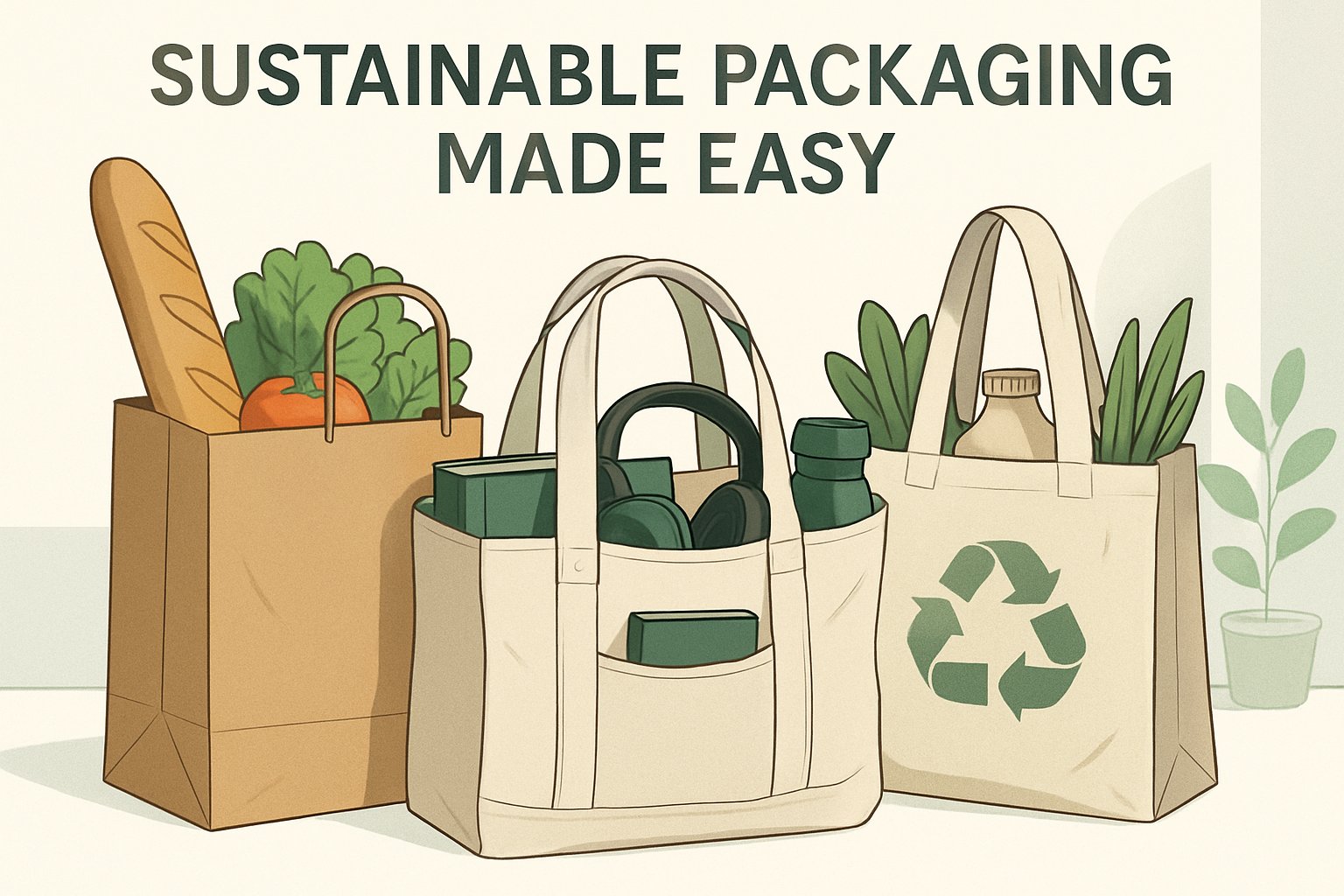
When selecting sustainable packaging like eco friendly bags, it’s essential to prioritize functionality over aesthetics to ensure long-term usability. Begin by considering what the bag will carry, how frequently it will be used, and the tactile experience it provides. In Malaysia’s humid environment, factors such as moisture resistance and quick drying are crucial to avoid issues like mildew or unpleasant odors. By addressing these elements early, you can prevent the majority of common problems and make informed choices that align with both eco-friendly goals and practical needs.
Premium Jute Bags
Jute bags offer a natural, eco-friendly option with their distinctive earthy texture, making them ideal for various applications in Malaysia. They are particularly well-suited for farm-fresh markets, artisanal brands, and corporate gifts that seek a rustic yet premium appeal. However, jute isn’t universally applicable, so selecting the right lining and printing methods is key to ensuring performance in tropical conditions. Understanding these nuances helps in troubleshooting and optimizing for durability and aesthetics.
Benefits of Jute Material
Jute fibers are renowned for their strength and natural biodegradability, significantly reducing long-term waste compared to single-use plastics. This material excels in handling heavier loads than many non-woven alternatives of similar weight, proving reliable for groceries and event packages. Additionally, jute absorbs inks in a unique way, resulting in a textured, organic print that appears intentional and enhances the overall aesthetic. Its breathable nature allows for faster drying when damp, minimizing odor risks after exposure to rain, provided there’s adequate airflow.
From a branding standpoint, the tactile quality of jute immediately conveys sustainability, potentially increasing the perceived value of the product. In Malaysia, jute is frequently utilized for premium hampers and festive campaigns, where adding a laminated lining or cotton interior improves shape retention and protects against humidity. This small investment in lining prevents common issues like sagging and staining, ensuring the bag remains functional over time.
Customization Options
For effective logo application on jute, screen printing with a limited color palette is advisable to maintain sharp edges on the textured weave. Complex gradients may appear uneven, so simplifying artwork to bold lines or solid fills often yields better results; alternatively, heat transfer patches on smoother sections can handle multicolor details. Handle choices should align with the intended load—padded short handles for heavier items and longer shoulder straps for comfortable commuting—while reinforced cross-stitching at the bases prevents tearing and is a cost-effective upgrade.
Sizing recommendations typically include 35–40 cm width with a 10–15 cm gusset to accommodate most grocery and event requirements. To combat moisture problems, incorporating a light internal coating or detachable cotton liner enhances durability without compromising the natural appearance. For long-term storage, ensuring proper ink curing and ventilated packaging avoids trapped odors, making the customization process smoother and more reliable.
Non-Woven Fabric Bags
Non-woven fabric bags, often made from polypropylene (NWPP), are a popular choice for events and retail in Malaysia due to their cost-effectiveness, excellent printability, and overall durability. When troubleshooting these bags, key aspects to examine include the GSM rating, stitching integrity, and any lamination applied. Selecting the appropriate combination can prevent issues like stretching, ink cracking, and handle breakdowns, ensuring the bags meet your specific needs.
Best Seller Non-Woven Bags
A top-selling specification in Malaysia is the 80–100 GSM non-woven bag with soft loop handles and a 10 cm gusset, offering affordability while supporting light to medium loads and clean printing via screen or heat transfer methods. Laminated versions provide added shine and rigidity, making them suitable for corporate gifts and product launches where presentation matters. For giveaway scenarios, die-cut handle totes present a sleek option but are best reserved for lightweight items like brochures to avoid discomfort during carrying.
When precise color matching is required, non-woven fabric handles solid Pantone shades effectively, though it’s less ideal for tiny text or intricate details—thicker line weights and simpler halftones help avoid production issues. If the bags will hold items like water bottles or snacks, opting for soft loop or rope handles ensures user comfort and safety. Overall, these best sellers strike a balance between functionality and budget, making them a go-to for many businesses.
Advantages Over Traditional Fabrics
Non-woven bags excel in resisting fraying thanks to their bonded fiber structure, which keeps edges neat through extended use and frequent handling. They are notably lighter than comparable canvas options, leading to lower shipping costs across Malaysia and easier portability for users. Maintenance is simple, involving a quick wipe-down and air drying in a ventilated area, which helps prevent musty odors during humid seasons.
For brands facing tight deadlines, non-woven production often has shorter lead times than cotton or canvas alternatives, allowing for quicker turnaround. Cost-wise, they represent an accessible entry point into eco-friendly options, enabling scaling for events without exceeding RM budgets. With a broad range of color choices available, matching brand palettes is straightforward without the need for custom dyeing, adding to their versatility.
Canvas and Other Eco-Materials
Canvas, along with cotton and recycled blends, provides a premium, versatile option for eco friendly bags that can serve as both functional items and fashion statements. These materials are ideal when the bag needs to withstand daily use while maintaining an appealing look. Balancing fabric weight (GSM) with user comfort is crucial to avoid bulkiness or weakness, ensuring the bag performs well in various scenarios.
Best Seller Canvas Bags
In Malaysia, 10–12 oz canvas totes with long handles remain perennial favorites, capable of carrying laptops, books, or groceries without distortion. The material supports detailed screen prints effectively, making it perfect for boutique merchandise and personalized items. For enhanced stability, incorporating boxed bottoms with a 10–12 cm base allows the bag to stand upright and organize contents neatly.
To optimize durability without excess weight, consider a 12 oz body combined with reinforced seam tape in high-stress areas. For commuting users, zip-top versions add security and value, especially on public transport. Rounded or padded handles further improve comfort, reducing strain during extended carries and encouraging repeated use.
Most Loved Products
Recycled cotton blends are gaining popularity for their softness and reduced reliance on virgin fibers, ideal for lifestyle brands and souvenir shops with a relaxed aesthetic. Prewashing these blends minimizes shrinkage and preserves print quality over time. Cork and kraft-paper laminates introduce a contemporary, earthy vibe, offering splash resistance and strength for lighter loads in retail settings.
For outdoor or wet conditions, waxed canvas provides practical water repellency and easy cleaning, but always specify non-toxic finishes to uphold eco standards. These beloved options combine sustainability with style, appealing to environmentally conscious consumers. Their versatility allows for creative applications, from beach outings to minimalist branding.
Custom Packaging Solutions
Custom eco friendly bag solutions allow for tailored designs that address specific fit, comfort, and branding requirements seamlessly. Troubleshooting custom projects involves breaking down choices into shape, strength, and finish to optimize cost and performance. This approach ensures the final product enhances user experience while aligning with sustainable practices.
Design Your Own Bag
Begin the design process by clearly defining the bag’s purpose, required dimensions, and carrying method to prevent costly revisions later. Sketch out handle positions and gusset depths based on the heaviest anticipated load, then select appropriate fabric weight and reinforcements. Creating a full-size mockup of the artwork helps verify legibility on the chosen texture—bolder lines for jute and finer details for canvas.
Producing a single sample first allows testing for color accuracy and ink behavior, enabling adjustments before full production. Closures should be chosen last to manage expenses: open tops for simple shopping, magnets for gifting, or zippers for secure daily use. Add features like interior pockets only if they address genuine needs, as each addition impacts cost and weight.
Branding Opportunities
Utilize front panels for primary logos, but don’t overlook side gussets for additional messaging like slogans or URLs to maximize visibility. Subtle interior labels can include care instructions and sustainability details, educating users and strengthening brand loyalty with every interaction. For designs with gradients, digital transfers on canvas or laminated non-woven ensure vibrant results.
Metallic accents via foil transfers suit smoother surfaces but should be placed away from high-wear areas to maintain longevity. To ensure consistency in reorders, document Pantone codes and printing techniques in a specification sheet shared with suppliers. This practice minimizes rework and preserves brand integrity across batches.
How to Order
Successful ordering of eco friendly bags in Malaysia hinges on finalizing specifications upfront to secure accurate quotes and avoid surprises. Key elements to confirm include the bag’s intended use, material type, GSM, dimensions, handle style, printing technique, and packaging preferences. Requesting production samples and realistic timelines further safeguards against compromises, ensuring a smooth process from start to finish.
Step-by-Step Guide
To minimize risks and maintain predictable costs when ordering eco friendly bags, start by defining the bag’s purpose—such as daily carry, events, or groceries—and establishing the target size accordingly. Next, select the material like jute, non-woven, or canvas, along with the appropriate GSM to match durability requirements. Then, decide on handle types and any necessary reinforcements, including gusset depth for accommodating bulkier items.
Proceed by choosing a print method and submitting vector artwork with specified Pantone colors for accurate reproduction. Always request a pre-production sample to evaluate aspects like odor, colorfastness, and stitching strength before committing. Finally, confirm lead times, quality control measures, and packing methods—such as flat-folding versus boxing—and approve everything in writing with clear delivery terms for Malaysia.
This structured approach identifies up to 90% of potential issues early, allowing for adjustments. Document the sample with photos and notes for quality comparisons later. If any tests fail, refine the specifications and repeat the sampling process to ensure the final product meets expectations.
Shipping and Payment Methods
For deliveries within West Malaysia, road freight typically offers the most economical option, while East Malaysia shipments should account for extended transit times and possible weather-related delays. Request cartons with ventilation holes, especially for freshly printed bags, to prevent odor accumulation during transport. Upon arrival, inspect a few boxes promptly to verify print alignment, quantity accuracy, and bag strength, reporting discrepancies within the agreed timeframe for quick resolutions.
Standard payment structures often involve a 50% deposit upfront, with the balance due upon delivery or prior to shipment. Allocate a small budget contingency of around RM0.30–RM0.80 per bag to cover potential rework or enhancements like upgraded stitching. For expedited orders, clarify rush fees in advance to avoid conflicts and ensure timelines are met without compromising quality.
From Nature, With Love
Embracing eco friendly bags means selecting designs that harmonize natural materials with practical functionality for everyday use. The goal is to create items that not only appear authentic but also endure daily demands through thoughtful features like ergonomic handles and appropriate sizing. This philosophy ensures the bags age well, maintaining their appeal and utility over time.
Personalize Your Bag
Adding personalization to eco friendly bags encourages greater reuse by fostering a sense of ownership, such as through names, initials, or custom patches. This approach amplifies environmental benefits as users are more likely to keep and use the bag repeatedly. Ensure personalization techniques complement the primary printing method—for instance, stitched patches work well on jute, while heat-transfer strips provide crisp results on canvas.
For on-site customization at events, incorporate a designated blank area in the artwork to facilitate quick additions without interfering with the main logo. Test adhesion of markers or transfers beforehand to guarantee durability. Ultimately, thoughtful personalization transforms a standard bag into a cherished item, extending its lifespan and impact.
Elevate Your Brand
Eco-friendly doesn’t equate to simplistic; enhance sophistication with tone-on-tone prints, textured elements, or contrasting stitches that add depth subtly. Include a concise sustainability narrative on interior labels, covering material origins and care tips to build trust and promote proper upkeep. Thoughtful packaging, like kraft wraps or reusable sleeves, reinforces the eco message while avoiding single-use plastics.
These elements collectively boost perceived quality and brand alignment without overcomplication. By focusing on durable, user-friendly designs, you create bags that resonate with conscious consumers. This strategy not only elevates your brand but also contributes to broader environmental goals through increased reuse.
Reusable Zero-Waste Bags
Reusable zero-waste bags emphasize longevity through durable, repairable materials that support cleaning, re-inking, or patching to extend their life cycle. Providing clear care instructions helps users avoid early disposal, maximizing the investment in sustainable options. This focus on practicality ensures the bags contribute meaningfully to reducing waste in Malaysia.
Deal of the Day
For immediate value, consider 90 GSM non-woven bags with soft loop handles, which offer an optimal balance of cost and functionality for events. Request reinforced stitching at handle attachments—a minor expense that significantly reduces failure rates. In retail contexts, 12 oz canvas totes with a 10 cm gusset provide strong profit margins, especially with one- or two-color artwork to keep printing economical.
Simple designs tend to endure and attract wider appeal over time. During festive seasons, jute deals are common, but verify lining and ink curing to mitigate odor risks in humid storage. These daily deals allow businesses to access quality eco options without excessive spending.
Environmental Impact
The true measure of sustainability lies in reuse; a robust bag used repeatedly outperforms a weaker eco alternative, even if both claim green credentials. Prioritize designs that promote longevity through comfort and ease of maintenance, encouraging real-world adoption. Include straightforward instructions for washing and airing to help users prolong the bag’s life.
Transparency in material descriptions, such as noting plastic-based laminations and their durability benefits, fosters informed decisions and credibility. By choosing maintainable options, you support reduced waste and environmental conservation. This honest approach strengthens brand trust and amplifies positive impact.
Top 15 Sustainable and Eco-Friendly Everyday Bags
This curated list of top sustainable bags serves as a practical resource for Malaysian users, covering scenarios from errands to commuting with indicative RM pricing based on standard specs, prints, and quantities. It highlights options that blend eco-friendliness with usability, helping you shortlist effectively. Remember, prices can vary, so use this as a starting point for further customization.
Detailed Reviews
To assist in selection, I’ve organized these bags by typical usage and material feel, complete with a table for easy comparison. Once shortlisted, always test a physical sample with your actual items to assess fit and comfort. Small modifications like adjusting handle width or gusset depth can elevate a standard bag to perfectly suit your needs. Filling the bag with real contents, simulating movement, and evaluating after 10–15 minutes of carry helps identify any issues with stitching or ergonomics before finalizing.
| No. | Bag Type | Material | Best Use | Est. Price (RM) |
|---|---|---|---|---|
| 1 | Classic Market Tote | Jute (lined) | Groceries, wet markets | 8–15 |
| 2 | Event Tote | Non-woven 90 GSM | Brochures, light merch | 2–5 |
| 3 | Everyday Canvas | Canvas 12 oz | Daily carry, books | 12–25 |
| 4 | Zip-Top Commuter | Canvas 12–14 oz | Laptop, commute | 25–45 |
| 5 | Gift Shopper | Laminated NWPP | Corporate gifts | 4–10 |
| 6 | Die-Cut Slim | Non-woven 80 GSM | Light leaflets | 1.5–3 |
| 7 | Boxed Bottom Tote | Canvas 10–12 oz | Groceries, storage | 15–28 |
| 8 | Recycled Cotton Tote | Recycled cotton blend | Merch, retail | 14–30 |
| 9 | Premium Jute Hamper | Jute + cotton liner | Festive hampers | 18–40 |
| 10 | Paper-Laminate Shopper | Kraft paper laminate | Minimalist retail | 4–9 |
| 11 | Cork Accent Tote | Canvas + cork panel | Lifestyle retail | 20–38 |
| 12 | Waxed Canvas Tote | Waxed canvas | Light rain, outdoor | 28–55 |
| 13 | Drawstring Daypack | Non-woven/cotton | Light gym, events | 3–12 |
| 14 | Pocket Organizer Tote | Canvas 12 oz | Work tools, craft | 22–42 |
| 15 | Foldable Shopper | RPET or NWPP | Errands, travel | 6–16 |
Conducting these hands-on tests ensures the bag meets practical demands beyond specifications. Adjustments based on real-world performance lead to higher satisfaction and longevity.
Why Choose These Bags
These selections stand out for harmonizing environmental responsibility with daily functionality, making them readily available in Malaysia with reliable printing and straightforward shipping. Most are designed for easy repair and cleaning, promoting extended use and waste reduction. Price ranges accommodate various budgets, with options to customize features like closures or prints to fit specific needs without excess cost.
This adaptability allows alignment with sustainability objectives while staying within financial limits; begin with basic configurations and enhance as user feedback confirms demand. Prioritizing comfort—through well-designed handles and sizes—encourages actual usage, maximizing eco benefits. In essence, simplicity, durability, and clear purpose make these bags effective choices for conscious consumers.
Frequently Asked Questions
How do I stop eco bags from smelling in humid weather?
First, ensure inks are fully cured before packing. Ask for ventilated cartons and avoid sealing bags while still off-gassing. After receipt, air them out in a dry room and include simple care tags: wipe clean, air dry, and store with airflow.
What GSM should I choose for durability without bulk?
For non-woven, 90–100 GSM handles most event and light retail needs. For canvas, 10–12 oz balances structure and comfort for daily carry. Jute relies more on lining and reinforcement, so specify a liner and reinforced handles rather than pushing fabric weight alone.
Which print method gives the most reliable results?
Screen printing is reliable on jute and canvas with bold artwork. For fine detail or gradients, use digital transfer on canvas or laminated non-woven. Always request a pre-production sample and test for colorfastness and edge clarity before mass production.
How can I control costs in Malaysia without quality loss?
Standardize sizes, limit print colors to one or two, and focus reinforcements only where needed. Ship flat-folded to reduce volume. Keep a contingency of RM0.30–RM0.80 per bag for minor upgrades that prevent high failure rates later.